

Traversing the African Continent | A fleet of construction vehicles powers the realization of multi-dimensional infrastructure projects—spanning railways, highways, and the oil and energy sectors.
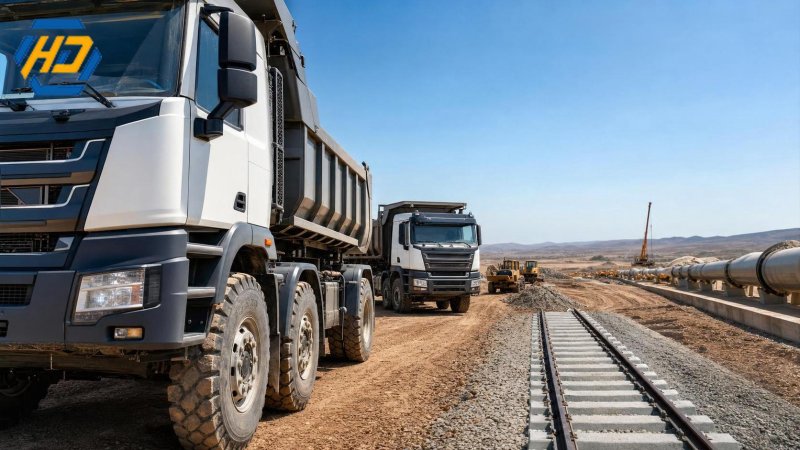
Across Africa, heavy truck fleets are accelerating the delivery of railways, highways, and oil and energy projects that power long-term growth. From demanding terrain to complex logistics, these engineering vehicles play a vital role in turning large-scale infrastructure plans into reality, helping local markets build stronger transport links, improve resource access, and support sustainable industrial development.
Why heavy truck fleets matter in African infrastructure delivery
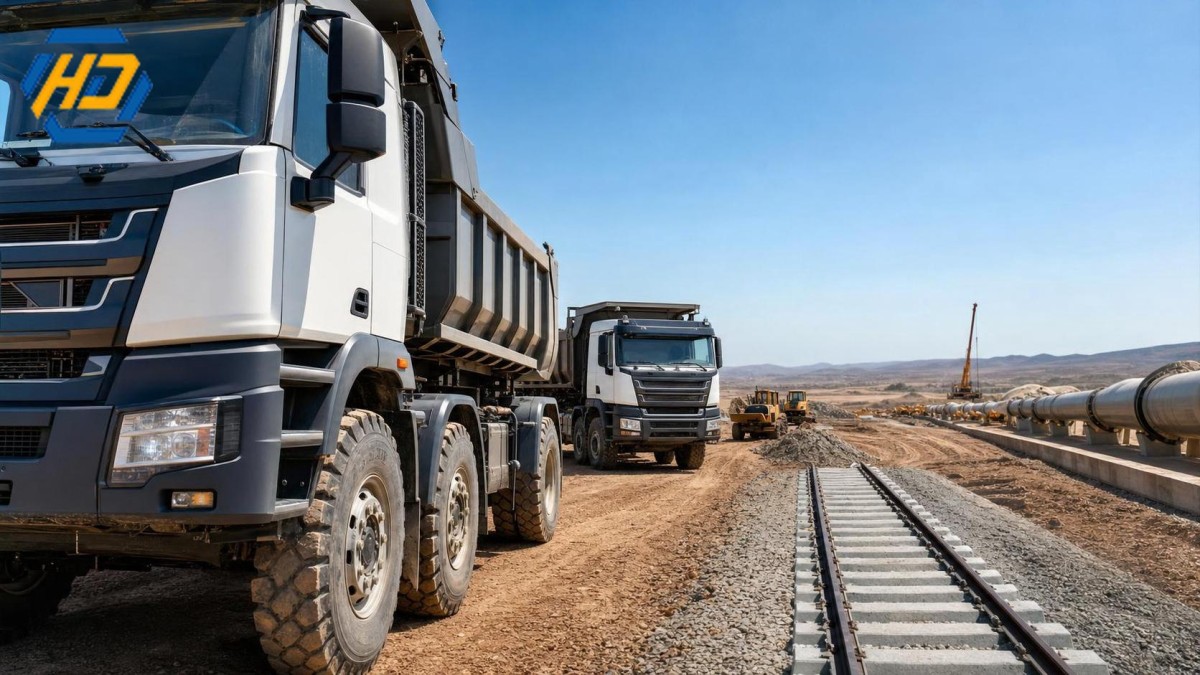
In Africa, infrastructure construction rarely depends on a single vehicle type. Rail corridors, expressways, pipeline routes, and oilfield platforms require a coordinated heavy truck fleet that can move earth, aggregates, steel, fuel, water, machinery, and maintenance crews across long distances.
That is why fleet planning has become a procurement priority. Contractors are no longer asking only for a truck with enough payload. They need engineering vehicles that can survive rough roads, support tight schedules, reduce downtime, and fit local service conditions.
For railway, highway, and oil and energy projects, heavy-duty trucks often work before paved access exists. They enter sandy zones, rocky sections, muddy detours, and remote camps where fuel quality, spare parts access, and maintenance capacity may vary significantly.
- Railway construction needs dump trucks, tractor heads, cargo trucks, fuel support vehicles, and concrete logistics working in sequence.
- Highway expansion depends on reliable hauling for stone, asphalt support, drainage materials, and prefabricated structural components.
- Oil and energy projects require transport solutions for pipes, generators, drilling support equipment, camp supplies, and hazardous area logistics planning.
The common challenge is not only transport capacity. It is the ability of a heavy truck operation to maintain output under heat, dust, long idle periods, overloaded temporary routes, and multi-point dispatch pressure.
Which heavy truck applications are most critical for railway, highway, and energy projects?
Different projects demand different truck combinations. Buyers who match vehicle configuration to actual working conditions usually achieve better fuel control, higher uptime, and fewer costly delays than those who purchase only by unit price.
Railway construction logistics
Railway sites require repeated movement of sleepers, rails, ballast, cement, culvert materials, and camp supplies. Trucks must operate on unstable access roads while keeping precise delivery windows to avoid slowing track laying crews and earthworks teams.
Highway and bridge development
Highway contractors usually need dump trucks for earthmoving, tractor trucks for machinery relocation, and cargo trucks for reinforcement steel, drainage parts, and batch-plant support. Fleet balance matters because one missing transport link can slow the entire chain.
Oil, gas, and power sector transport
Energy projects introduce heavier compliance and route complexity. Vehicles may need reinforced chassis, strong cooling systems, reliable braking on long descents, and better filtration against dust. In remote sites, simple maintenance access can be more valuable than advanced but hard-to-service electronics.
The table below helps compare typical heavy truck roles across major African infrastructure applications.
This comparison shows that heavy truck selection should follow project workflow, not generic catalog descriptions. The best fleet is the one that fits route conditions, material type, maintenance resources, and delivery frequency.
How to choose the right heavy truck configuration for African job sites
Procurement teams often face a difficult balance: they need robust trucks, but budgets are limited and delivery deadlines are tight. A practical selection process should start with the job site, not with engine power alone.
Key selection factors to review first
- Route conditions: assess gravel, sand, mud, gradients, bridge limits, and whether the access road changes with the rainy season.
- Payload profile: identify whether the truck carries stone, fuel, steel structures, containers, pipes, or mixed construction materials.
- Daily duty cycle: estimate trip distance, loading time, idle time, average speed, and expected monthly operating hours.
- Maintenance reality: confirm technician skill level, spare parts supply, workshop tools, and whether roadside repairs are common.
- Fuel and environment: account for high ambient temperature, dust, variable fuel quality, and long engine idling in remote camps.
The following selection table is useful when comparing heavy truck options for infrastructure work rather than standard road transport.
A heavy truck that looks economical at purchase may become expensive if it is difficult to repair, underpowered for gradients, or mismatched to road conditions. Total project efficiency depends on availability, not just acquisition cost.
What technical performance should buyers prioritize?
Technical specifications should be read through the lens of site productivity. In African infrastructure projects, the most useful performance indicators are not always the highest numbers on paper but the ones that support steady, repeatable output.
Powertrain and drivability
Strong low-speed torque is essential for loaded starts, soft ground, and incline work. A suitable gearbox ratio can improve hauling rhythm more than chasing a larger engine that adds fuel cost without improving the route cycle.
Braking and downhill control
For mountain routes, quarry roads, or oilfield descents, braking consistency is a safety issue and an operating cost issue. Overheated service brakes increase wear, delay trips, and create avoidable risk during repetitive haulage.
Filtration, sealing, and cooling
Dust-heavy zones place extreme stress on intake systems and filters. Heat management also matters because overloaded cooling systems can cut working hours. Trucks for these environments should be reviewed for radiator protection, filter access, and sealing quality.
Cab practicality and driver fatigue
Long-distance construction logistics depend on drivers who remain alert and comfortable. Visibility, seat support, ventilation, and control layout may seem secondary, but they affect safety, crew retention, and daily efficiency in remote operations.
Cost control: should you focus on purchase price or lifecycle value?
Many buyers compare heavy truck quotations line by line and choose the lowest entry price. That approach can work for simple haulage, but it often fails in large infrastructure projects where downtime, tire wear, and fuel use quickly change the real cost picture.
Main cost drivers beyond the truck invoice
- Fuel consumption under actual payload and road resistance, not ideal road test conditions.
- Downtime caused by filter clogging, suspension wear, brake overheating, or delayed spare parts.
- Tire damage on rocky haul roads or repeated sidewall cuts in off-road access zones.
- Driver misuse when the truck is not matched to the site or lacks clear operating guidance.
- Lost project time when transport capacity cannot support excavation, paving, or drilling schedules.
A practical fleet strategy is often to combine core heavy-duty units for the toughest routes with more standard units for secondary road logistics. This reduces capital pressure while keeping critical operations protected.
What standards and compliance points should not be ignored?
Heavy truck procurement for cross-border or multinational projects may involve emissions expectations, axle load rules, lighting requirements, safety markings, and transport documentation standards. These issues should be checked early to avoid customs delays or site acceptance problems.
Common compliance checkpoints
- Confirm road legality for the destination market, including axle configuration and gross vehicle limits where applicable.
- Review basic safety items such as lighting, reflectors, braking systems, tires, and warning equipment.
- Check whether project owners require specific documentation for inspection, shipment, or registration.
- For fuel, oil, and energy transport use, verify any additional body or operational requirements tied to the cargo category.
Where project conditions are complex, it is wise to align the truck specification, body design, and destination compliance checklist before production or shipment. Small omissions in documentation can cause major schedule impacts.
Common mistakes buyers make when ordering heavy trucks for Africa
Even experienced procurement teams can underestimate local operating reality. Most avoidable losses happen when the vehicle is selected for brochures instead of the route, or for price instead of sustained project output.
- Choosing a drive type that works on highways but struggles on loose soil, uneven grading, or seasonal mud.
- Ignoring service support and ordering trucks with components that are difficult to source or repair locally.
- Using one truck specification for all tasks, even when the project includes quarry haulage, camp supply, and long-distance transfer.
- Overlooking filtration, cooling, and tire specification for dust, heat, and abrasive surfaces.
- Failing to plan delivery sequence, spare parts kits, and operator training before the fleet reaches site.
These mistakes do not always appear during tender evaluation. They usually surface later as poor fuel economy, repeated stoppages, and delayed civil works. Early technical consultation is therefore part of cost control, not an added expense.
FAQ: what do buyers usually ask before placing a heavy truck order?
How do I choose between 6x4 and 8x4 heavy truck options?
Start with payload pattern and road condition. A 6x4 setup is often suitable for many construction transport tasks, while an 8x4 layout may fit higher volume haulage on routes where axle distribution and body capacity are more important. The decision should match load density, turning space, and site road quality.
What matters most for oil and energy project transport?
Durability, cooling, braking, and serviceability usually matter more than headline speed. Remote energy projects need trucks that stay operational with limited workshop support, variable fuel quality, and long distances between supply points.
How long should delivery planning take for an engineering truck fleet?
That depends on quantity, body type, destination, and documentation scope. Buyers should confirm production lead time, body configuration, shipping method, spare parts preparation, and local acceptance requirements at the quotation stage rather than after order confirmation.
Can one heavy truck model cover railway, highway, and energy jobs?
Sometimes, but usually not efficiently. A shared platform can simplify parts and training, yet body type, axle setup, suspension, and protection requirements often need adjustment by application. Standardization is useful, but over-standardization can reduce productivity.
Why choose us for heavy truck project consultation and supply support?
For African railway, highway, and oil and energy projects, buyers need more than a truck list. They need help turning project conditions into a workable fleet plan. That means discussing route profile, payload type, service conditions, compliance needs, and delivery timing before the final configuration is locked.
We support practical decision-making around heavy truck selection, including configuration review, application matching, procurement comparison, and deployment planning for demanding infrastructure environments. The goal is to reduce mismatch risk and improve project continuity from the first shipment onward.
- Consult us for parameter confirmation if you are comparing axle layouts, payload range, or route suitability.
- Ask for product selection support if your project includes railway works, highway haulage, or oil and energy transport in remote areas.
- Discuss delivery timing, spare parts planning, and service preparation if the project schedule is tight.
- Request a customized solution if you need body adaptation, operating condition matching, or documentation alignment for destination requirements.
- Contact us for quotation communication when you want to compare lifecycle value instead of purchase price alone.
If you are planning a heavy truck fleet for African infrastructure delivery, the best next step is a focused technical discussion. Share your project type, route conditions, load profile, and target schedule, and we can help you narrow the right configuration path faster.