

Common Cement Mixer Problems and How to Fix Them
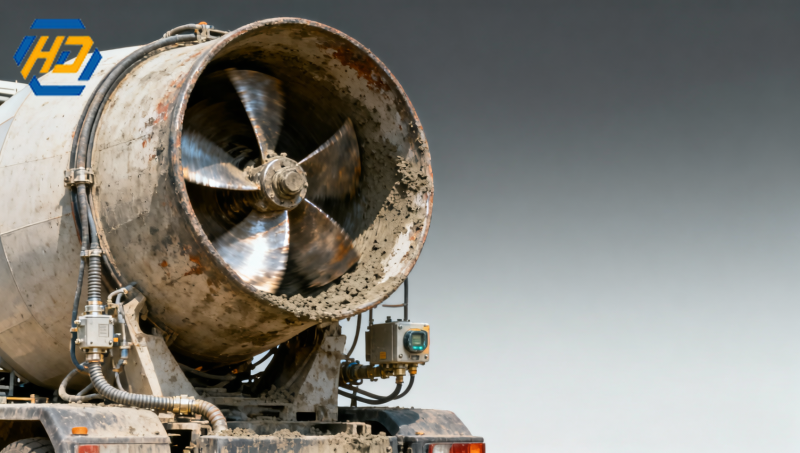
Common Mechanical Failures in Cement Mixers
Cement mixer problems can significantly impact construction productivity and safety. Whether you're an operator, maintenance technician, or procurement specialist, understanding common cement mixer issues and their solutions is crucial for efficient operations. This guide explores frequent mechanical failures, mixing problems, and maintenance challenges with practical troubleshooting tips to keep your equipment running smoothly and extend its service life.
Hydraulic System Malfunctions
Hydraulic failures account for approximately 35% of all cement mixer breakdowns. Common symptoms include slow drum rotation, erratic movement, or complete system failure. These issues often stem from:
- Contaminated hydraulic fluid (typically requiring replacement every 1,000–1,500 operating hours)
- Worn pump seals or damaged cylinders (visible leaks indicate immediate attention needed)
- Clogged filters (should be inspected every 250–300 hours)
Drum Rotation Problems
When the drum fails to rotate properly, it typically indicates one of these underlying issues:
Mixing Quality Issues and Solutions
Poor mixing quality affects concrete strength and workability. These problems often manifest as inconsistent texture, balling, or segregation.
Inadequate Mixing Time
Standard mixing times vary by concrete type:
- Standard concrete: 70–100 revolutions at mixing speed
- High-performance concrete: 100–130 revolutions
- Fiber-reinforced concrete: 120–150 revolutions
Blade Wear Patterns
Mixer blades typically require replacement when wear exceeds these thresholds:
Electrical and Control System Faults
Modern cement mixers incorporate complex electrical systems that require specialized troubleshooting.
Common Electrical Failures
About 20% of service calls involve electrical issues, primarily:
- Faulty sensors (typically last 3–5 years)
- Wiring corrosion (accelerated in high-humidity environments)
- Control panel malfunctions (often caused by vibration damage)
Diagnostic Procedures
Follow this systematic approach for electrical troubleshooting:
- Check battery voltage (should be 12.6V–13.2V when engine off)
- Inspect all fuses and relays (replace if contacts show discoloration)
- Test sensor outputs against manufacturer specifications
Preventive Maintenance Strategies
Implementing a structured maintenance program can reduce downtime by up to 60%.
Daily Maintenance Checklist
Operators should complete these tasks before each shift:
- Inspect drum interior for buildup (clean if accumulation exceeds 1/4")
- Check hydraulic fluid level (maintain between MIN/MAX marks)
- Verify all safety devices function properly
Monthly Maintenance Tasks
These procedures should be performed every 200–250 operating hours:
Frequently Asked Questions
How often should cement mixer hydraulic fluid be changed?
Most manufacturers recommend changing hydraulic fluid every 1,000–1,500 operating hours or annually, whichever comes first. In dusty environments, change intervals should be reduced by 30%.
What's the typical lifespan of a cement mixer drum?
With proper maintenance, drum assemblies typically last 7–10 years or 15,000–20,000 mixing cycles. Hardened alloy drums can extend this to 12–15 years.
How can I tell if my mixer blades need replacement?
Measure blade thickness at the wear point. Replace standard steel blades when thickness reduces by 25%, or hardened alloy blades at 15% reduction. Also inspect for cracks or severe pitting.
Expert Support for Your Cement Mixer Needs
Our team of certified technicians provides comprehensive support for all cement mixer maintenance and repair challenges. We offer:
- On-site diagnostics and troubleshooting
- Genuine OEM replacement parts with 12-month warranty
- Customized maintenance plans based on your usage patterns
Contact our technical specialists today for a detailed equipment assessment or to discuss your specific mixer maintenance requirements. We'll help you optimize performance while minimizing downtime and repair costs.