

The Hidden Costs of Owning a Cement Mixer Truck
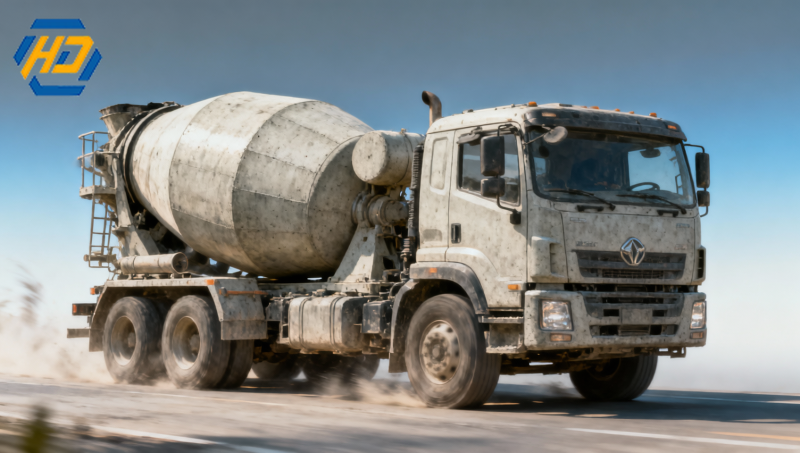
Fuel Consumption: The Silent Budget Killer
Cement mixer trucks are notorious for their high fuel consumption, with average models burning 8-12 gallons per hour during operation. Unlike standard heavy-duty trucks, the constant drum rotation and frequent stops at construction sites create a perfect storm for fuel inefficiency.
Consider these operational factors that amplify fuel costs:
- Idling time accounts for 30-45% of total engine hours
- Urban routes with stop-and-go traffic increase consumption by 15-20%
- Older models (5+ years) show 8-12% reduced fuel efficiency
*Based on 1,500 annual operating hours at $3.50/gallon diesel. Fuel-efficient models may command 8-12% higher purchase prices but deliver ROI within 2-3 years.
Maintenance: Beyond Oil Changes
The rotating drum mechanism introduces specialized maintenance requirements that standard trucks don't face. Annual maintenance costs typically range $7,500-$12,000 per truck, with these critical components demanding attention:
Drum System Components
The mixer drum requires quarterly inspections and these replacement cycles:
- Blades: Every 18-24 months ($1,200-$1,800 per set)
- Bearings: Every 3-5 years ($2,500-$4,000 replacement)
- Seals: Annually ($400-$600 per service)
Hydraulic System Demands
Hydraulic failures account for 35% of unplanned downtime. Preventive measures include:
Regulatory Compliance Costs
Cement mixer operations face stringent regulations that impact operational budgets:
Environmental Compliance
Washout water management requires:
- Annual permits: $500-$2,000 per truck
- Water recycling systems: $15,000-$25,000 installation
- Disposal fees: $50-$100 per truck weekly
Safety Certifications
Operators require specialized training beyond standard CDL:
- Initial certification: 40-hour course ($1,200-$1,800)
- Annual refresher: 8-hour course ($300-$500)
- Drum operation safety training: $200-$400 per operator
Downtime: The Invisible Cost
Each day of unplanned downtime costs $800-$1,200 in lost revenue. Common causes include:
Parts Availability
Specialized components often have 3-7 day lead times:
- Drum motors: 5-10 business days
- Transmission parts: 3-5 business days
- Custom hydraulic fittings: 2-4 weeks
Service Response Times
Field service availability varies by region:
Total Cost of Ownership Analysis
A comprehensive 5-year TCO comparison reveals surprising insights:
While premium models show 25% higher initial cost, they typically deliver 15-20% lower operating costs over 5 years.
Mitigation Strategies
Proactive operators implement these cost-control measures:
Preventive Maintenance Programs
Scheduled maintenance reduces unexpected repairs by 40-60%:
- Monthly fluid analysis ($75-$150 per test)
- Thermal imaging inspections ($200-$400 annually)
- Vibration monitoring systems ($3,000-$5,000 installation)
Operator Training
Certified operators demonstrate:
- 12-18% better fuel efficiency
- 30-40% fewer maintenance incidents
- 25% longer component life
Conclusion: Making Informed Decisions
Understanding these hidden costs enables smarter procurement and operational decisions. Fleet managers should evaluate:
- Total cost of ownership over 5-7 years
- Local service network availability
- Operator training requirements
- Regulatory compliance costs in your region
For a customized cost analysis of your specific operation, contact our heavy equipment specialists to discuss your fleet requirements and operational challenges.