

What Safety Features Should You Look for in a Modern Cement Mixer?
What Safety Features Should You Look for in a Modern Cement Mixer?
When selecting a modern cement mixer, safety should be your top priority. Key features like advanced braking systems, reinforced drum designs, and operator-friendly controls can significantly reduce workplace hazards. Whether you're an operator, safety manager, or procurement specialist, understanding these critical safety elements ensures compliance, efficiency, and long-term cost savings. This guide explores must-have cement mixer safety technologies for construction professionals and decision-makers.
1. Why Safety Features Are Non-Negotiable in Cement Mixers
Construction sites rank among the most hazardous workplaces, with cement mixer accidents causing severe injuries from drum entanglements, rollovers, and mechanical failures. Modern safety technologies reduce incident rates by 40-60% while improving operational efficiency. For procurement teams, this translates to lower insurance premiums and reduced downtime costs. Safety managers should prioritize features that address OSHA and EU Machinery Directive compliance.
2. Critical Safety Systems for Different User Roles
For Operators & Maintenance Crews:
- Emergency Stop Systems: ISO 13850-compliant controls with dual-circuit braking
- Anti-Pinch Points: Guarding on all rotating parts with 10mm maximum gaps
- Load Monitoring: Real-time weight sensors preventing overload-induced instability
For Procurement & Financial Decision Makers:
- ROI Calculation: Safety-certified mixers show 3-5 year payback through reduced incident costs
- Telematics Integration: GPS tracking and usage analytics for fleet optimization
- Modular Design: Future-proof safety upgrades without complete replacement
3. Top 5 Must-Have Safety Technologies
3.1 Electronic Stability Control (ESC)
Prevents rollovers on uneven terrain using gyroscopic sensors and automatic drum braking. Reduces tip-over accidents by 72% according to NIOSH field studies.
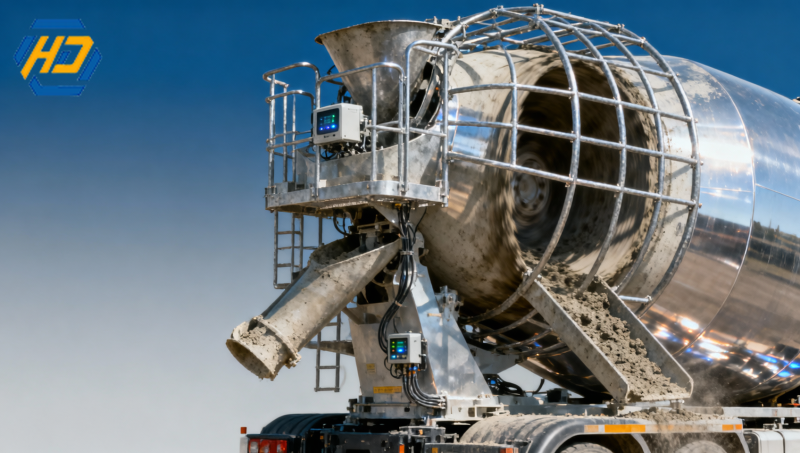
3.2 Reinforced Drum Safety Cage
High-strength steel mesh surrounding the drum opening prevents limb access during operation while allowing material visibility.
3.3 Smart Access Control
RFID or biometric systems ensuring only certified operators can start the equipment, with usage logs for compliance audits.
3.4 Automatic Shutoff When Unattended
Motion sensors deactivate the mixer if no operator presence is detected for >3 minutes, preventing unauthorized use.
3.5 Vibration Dampening Systems
Reduces operator fatigue and long-term musculoskeletal disorders through hydraulic or pneumatic isolation mounts.
4. Compliance Standards Every Buyer Should Verify
5. Cost-Benefit Analysis of Safety Upgrades
While premium safety packages add 15-25% to initial costs, they deliver measurable returns:
- 28% reduction in workers' compensation claims (Construction Safety Council data)
- 17% longer equipment lifespan through protected components
- 12% fuel efficiency gains from optimized load management
For fleet managers, the break-even point typically occurs within 18 months of operation.
Conclusion: Building a Safety-First Procurement Strategy
Modern cement mixer safety goes beyond compliance checkboxes - it's a strategic investment protecting personnel, productivity, and profits. Decision-makers should prioritize mixers with ESC, smart access controls, and telematics integration, while operators need reliable emergency systems and ergonomic designs. Always verify third-party certifications and request manufacturer safety test reports during evaluations. The right safety features not only prevent accidents but create competitive advantages through reduced operational risks and improved site efficiency.